Fire & Smoke Damage Restoration Boise Idaho
24/7 Emergency Response • IICRC Certified • Board-Up • Full Reconstruction
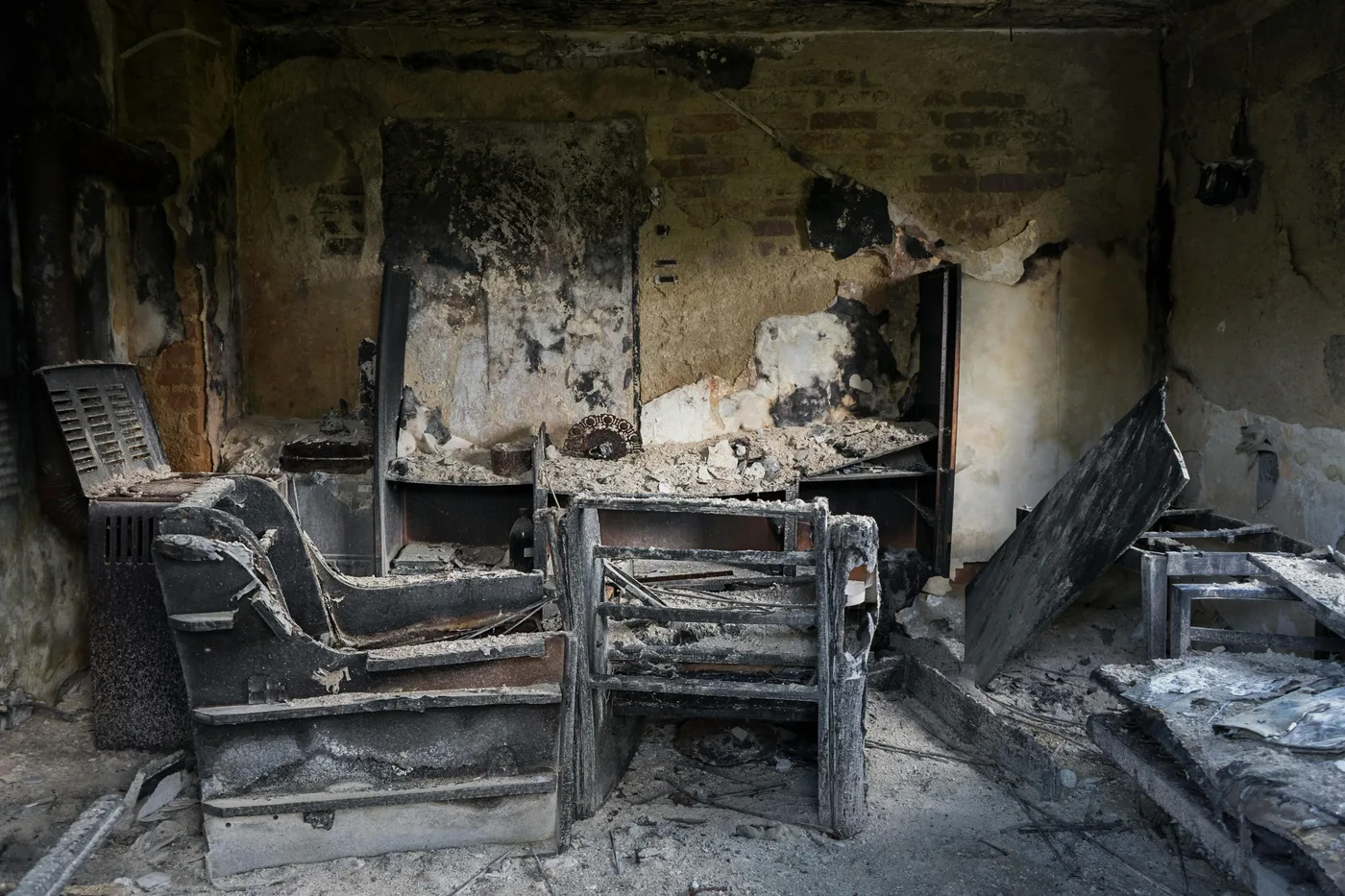
Call (208) 717-3176 — 24/7 EmergencyFire and smoke damage restoration in Boise, Idaho requires a response that addresses three distinct problems: structural fire damage, smoke residue that penetrates surfaces throughout the property, and suppression water from firefighting that creates its own water damage event. Our fire damage restoration team in Boise responds 24/7 — beginning with emergency board-up and water extraction, then moving to systematic smoke damage cleanup, soot removal, odor elimination, and structural repairs. Whether the fire was in the kitchen, from a heating appliance, or from Idaho wildfire smoke infiltrating your HVAC system, we follow IICRC S700 protocols to restore the property completely. Call (208) 717-3176 now for emergency fire damage assessment.
Fire Damage Restoration Services in Boise, Idaho
Fire damage restoration covers the full scope of loss — not just charred material. Our Boise fire damage restoration services include:
- Emergency board-up and tarping — securing the structure against weather and unauthorized entry within hours of the event
- Water extraction — suppression water from firefighting creates a secondary water damage event that must be extracted and dried using the same LGR dehumidifier and air mover equipment as any water damage job
- Structural debris removal — charred wood, damaged drywall, destroyed insulation
- Soot and smoke residue removal — dry sponge cleaning, chemical cleaning, and HEPA vacuuming depending on the residue type (wet smoke, dry smoke, protein residue from kitchen fires each require different cleaning approaches)
- Smoke odor elimination — ozone generators and hydroxyl generators (industrial odor-neutralizing units) treat smoke odor molecules that have penetrated into walls, HVAC ducts, and soft materials
- Content pack-out and restoration — furniture, documents, clothing, and personal belongings inventoried, packed, and restored off-site where possible
- Structural repair and reconstruction — returning the property to pre-loss condition
Call (208) 717-3176 for 24/7 emergency fire damage response in Boise, Idaho.
Kitchen and Oven Fire Damage
Kitchen fires are the most common source of residential fire damage in the Treasure Valley — and most start in or near the oven. Oven fires, grease fires, and stovetop flare-ups that are quickly extinguished by the homeowner often seem minor, but they leave behind protein smoke residue and fine soot particles that penetrate cabinets, walls, ceiling materials, and HVAC systems throughout the house.
What to Do After an Oven Fire
If your oven caught fire or your oven is on fire and you’ve extinguished it: ventilate the space immediately by opening windows and doors, but do not run the HVAC system — this distributes soot throughout the ductwork. Do not wipe down surfaces yet. Dry soot smears into materials and becomes much harder to remove once spread. Call (208) 717-3176 before cleaning anything.
If you’re unsure how to stop an oven fire or a kitchen grease fire: cut off the heat source, use a Class B fire extinguisher or smother with a tight-fitting lid, and do not use water on a grease fire. Once the fire is out, the question becomes restoration, not cleaning — and the scope almost always extends beyond what it looks like on the surface.
What to do if oven catches fire and causes smoke damage throughout the home: our technicians classify the smoke residue type on arrival. Protein residue from kitchen fires (grease, food material) requires chemical cleaning — it does not respond to standard dry sponge techniques used for wood-smoke dry residue. This distinction matters. Getting it wrong means cleaning the same surfaces repeatedly while the odor returns.
Smoke Damage Cleanup and Odor Removal in Boise
Smoke damage restoration boise calls fall into two categories: structural fire aftermath and smoke infiltration without direct fire involvement. Idaho’s annual wildfire season sends smoke into Boise Valley homes through HVAC systems, attic vents, and gaps in the building envelope — resulting in persistent odor and fine particulate deposition on surfaces even when no fire touched the structure. The restoration approach is the same: identify infiltration points, clean affected surfaces, and use ozone treatment or hydroxyl generators (industrial odor-neutralizing units) to treat odor molecules.
How to remove smoke smell from wood furniture: surface wiping rarely resolves smoke odor in wood because the compounds have penetrated the finish. Off-gassing from smoke-damaged furniture continues for weeks. Content pack-out to our restoration facility — where controlled ozone treatment can be applied in an enclosed environment — is the most effective approach for furniture that can be salvaged.
For smoke damage restoration boise id that involves HVAC infiltration, we include duct inspection and cleaning in the scope. Failing to clean ducts after a smoke event means the HVAC system redistributes smoke odor every time it runs — often the source of odor complaints weeks after a fire.
Call (208) 717-3176 for smoke damage cleanup and odor assessment in Boise, Idaho.
What Does Fire Damage Restoration Include?
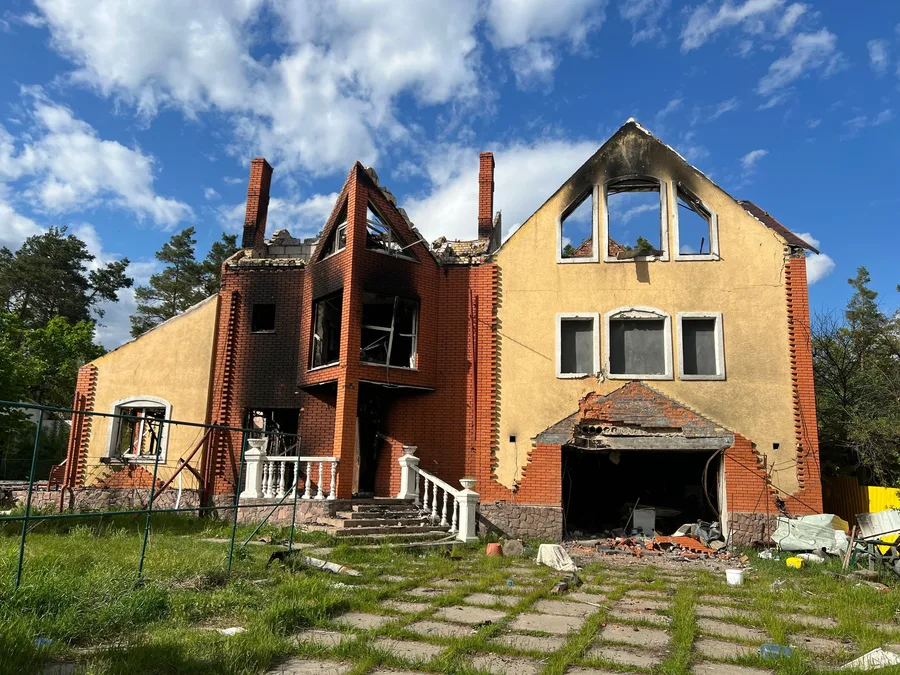
A complete fire damage restoration engagement in Boise includes:
-
Emergency Response — board-up, water extraction (suppression water), initial containment
-
Assessment and Documentation — scope of damage documented for insurance; smoke residue classification; moisture readings from suppression water
-
Demolition — removal of charred, smoke-saturated, or water-damaged materials that cannot be restored
-
Cleaning — systematic soot removal from all surfaces; type of cleaning method matched to residue type (dry sponge for dry smoke, chemical cleaning for protein residue)
-
Odor Elimination — ozone treatment and/or hydroxyl generator treatment; thermal fogging (a heat-based treatment that drives odor-neutralizing agents deep into porous surfaces)
-
Content Restoration — pack-out, inventory, off-site cleaning and treatment of salvageable contents
-
Reconstruction — replacement of demolished materials; painting; flooring; structural repairs to pre-loss condition
Should I clean up fire damage myself? No. Fire damage cleanup that is done incorrectly — wiping soot into porous materials, agitating dry residue without containment, using the wrong cleaning chemistry on protein smoke — makes the restoration harder and more expensive. Call (208) 717-3176 before touching anything.
Does Insurance Cover Fire Damage in Idaho?
Fire damage is one of the most clearly covered perils in standard homeowner policies — structure, contents, and additional living expenses if the home is uninhabitable. Does insurance cover fire damage in Idaho? Yes, for accidental fires including kitchen fires, electrical fires, and heating equipment fires. The key step: call your adjuster before any cleanup begins. Undocumented damage is the most common reason for claim disputes. We work directly with insurance adjusters and provide full photographic documentation, moisture logs, and scope reports. Call (208) 717-3176 — we’ll coordinate with your carrier.
Serving Boise, Meridian, Nampa & the Treasure Valley
Our fire and smoke damage restoration team serves all of Boise, Idaho and the surrounding Treasure Valley — including fire damage restoration in Meridian, smoke damage restoration meridian id, fire damage restoration in Nampa, and all Canyon County communities. For water damage that resulted from fire suppression, our team handles both under one engagement — see our water damage restoration boise idaho page. For mold that results from suppression water, see mold remediation boise idaho.
Get a Free Fire Damage Assessment in Boise
Call (208) 717-3176 for 24/7 emergency fire and smoke damage response, or fill out the form below. We work directly with insurance adjusters and document everything for your claim.
24/7 Emergency Response • IICRC Certified • Free Estimates
Frequently Asked Questions
-
Turn off the heat source. Do not open the oven door until the fire is fully extinguished — introducing oxygen re-ignites a contained grease fire. Ventilate the space by opening windows. Do not run the HVAC system. Do not wipe any surfaces. Call (208) 717-3176. Even a minor oven fire that did not spread beyond the appliance leaves protein smoke residue on nearby surfaces that requires professional cleaning.
-
Without professional treatment, smoke odor can persist for months — particularly from protein smoke residue (kitchen fires) and fine-particulate wildfire smoke that has penetrated porous materials. With proper ozone treatment, hydroxyl treatment, and surface cleaning, odor is typically resolved within the scope of the restoration project. HVAC ducts that were not cleaned are the most common source of odor that returns after treatment — ensure duct cleaning is included in the scope.
-
Yes — fire is a standard covered peril on most Idaho homeowner policies. Contact your adjuster before cleanup begins to ensure the damage is documented before any materials are disturbed.
-
No. Soot is hazardous to breathe and difficult to remove correctly. Wiping soot with standard cleaning products smears it into porous materials, making professional cleaning harder and more expensive. Call a certified fire damage restoration team immediately.
-
Yes. Smoke residue contains toxic compounds including carbon monoxide byproducts, benzene, formaldehyde, and fine particulate matter. Exposure after a fire — especially in an enclosed space — is a health risk. Do not occupy a smoke-damaged structure until it has been assessed and cleared by a restoration professional.
-
Emergency board-up, water extraction (suppression water), structural demolition of damaged materials, systematic soot and smoke residue cleaning, odor elimination (ozone/hydroxyl/thermal fogging), content pack-out and restoration, and structural reconstruction to pre-loss condition.